
Support
Round Hill Volunteer
Fire & Rescue Dept. Inc.
Donate Online

Donate by check to:
RHVFRD
P.O. Box 8
Round Hill, VA 20142
Upcoming Events
Welcome to the RHVFRD Website



-
Loudoun County Burn Regulations
Visit the Loudoun County Government website for detailed information on the current Burn Regulations.
-
The RHVFRD Seeks New Members
The RHVFRD is not just a volunteer station, as you would think based on our title. It’s what is referred to as a combination fire department. Meaning, our fire department consists of both full-time career staff and volunteer members. The career staff is assigned to our station through Loudoun County and handles all aspects of…
-
Can’t Volunteer?
There are other ways you can “Help Us, Help The Community!” We realize that many folks can’t volunteer their time due to other commitments – jobs, family, vacations, and a schedule full of activities. However, there is another way you can help. Please consider making a monetary donation to the RHVFRD. Funds are needed for…
-
Sparky’s Message – Never give a fire a place to start!
Sparky the Fire Dog®, the official mascot of the National Fire Protection Association (NFPA), celebrated his 70th birthday back in March of 2021, reflecting on a legacy and impact that spans the generations. As the iconic mascot, Sparky has worked hard for seven decades to make communities safe from fire. “Since 1951, he has partnered…
-
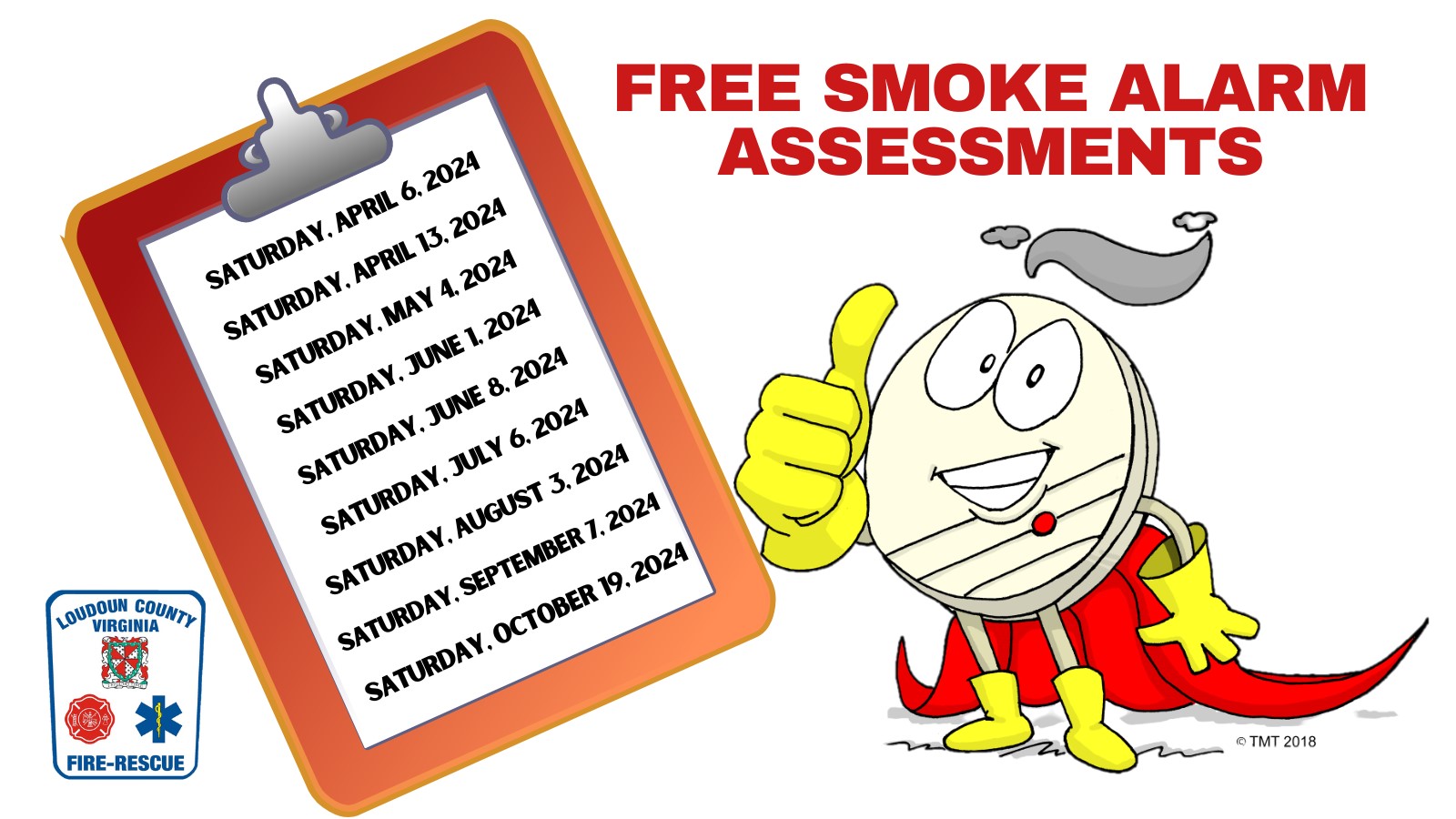
Free Smoke Alarm Assessments
LC-CFRS Kicking Off Annual Smoke Alarm Program to Protect Loudoun Residents The Loudoun County Combined Fire and Rescue System’s (LC-CFRS) annual smoke alarm program kicks off Saturday, April 6, 2024, from 10:00 a.m. to 2:00 p.m. in neighborhoods across Loudoun County. “During a house fire, you have an average of THREE minutes to escape your…
-
Carbon Monoxide Alarms
Carbon monoxide, also known as CO, is called the Invisible Killer because it’s a colorless, odorless, poisonous gas. According to U.S. Consumer Product Safety Commission, more than 150 people in the Unites States die every year from accidental nonfire-related CO poisoning associated with consumer products, including generators. Other products include faulty, improperly-used or incorrectly-vented fuel-burning…
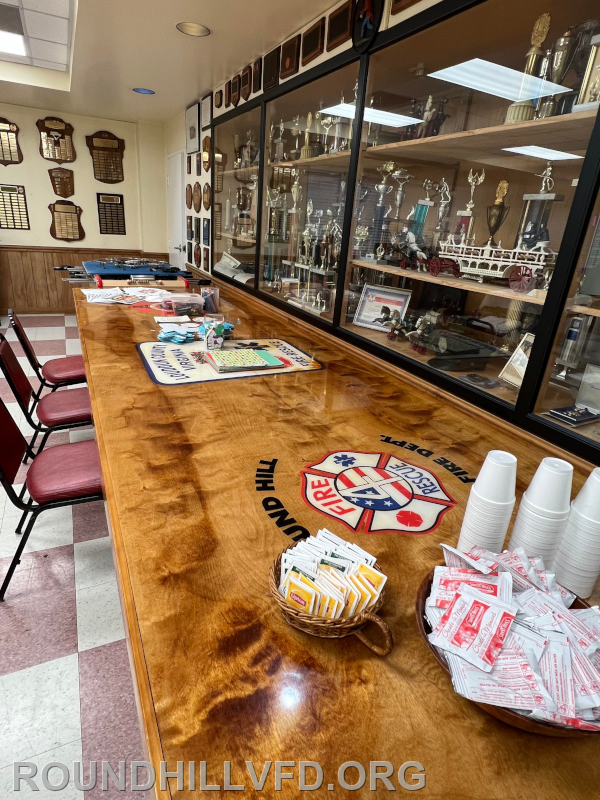
 Round Hill Volunteer Fire and Rescue